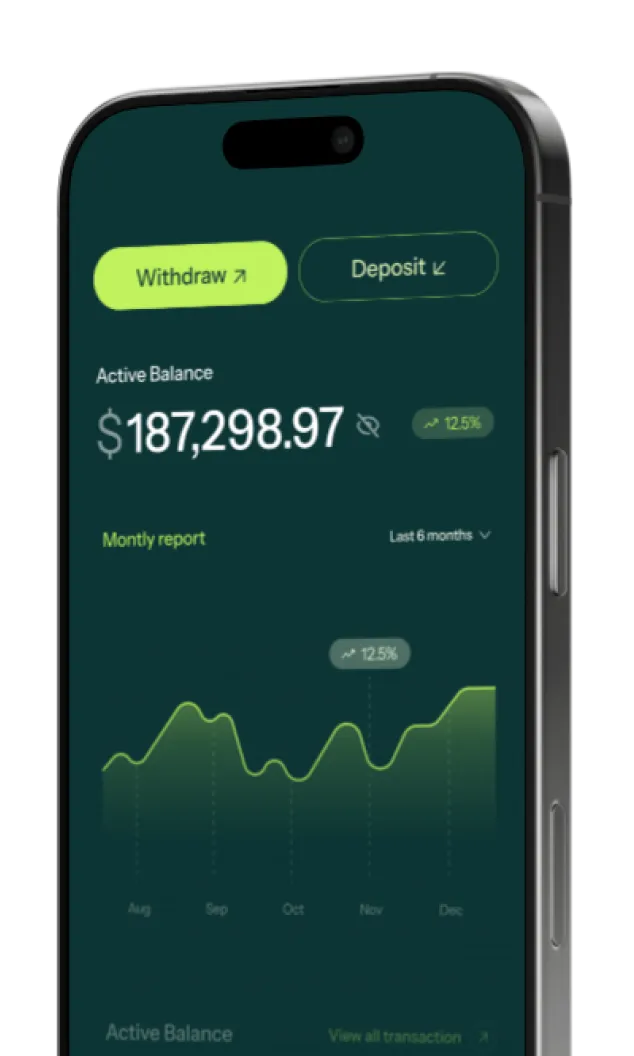

Economic uncertainty has become a constant rather than an exception. Fluctuating markets, shifting regulations, and unexpected disruptions place increasing pressure on businesses to stay agile.
In this environment, financial resilience is not simply about cutting costs, but about maintaining visibility and flexibility when conditions change.
Resilient businesses monitor cash flow closely, understand their financial buffers, and adjust plans before challenges escalate. In this environment, financial resilience is not simply about cutting costs, but about maintaining visibility and flexibility when conditions change.
Resilient businesses monitor cash flow closely, understand their financial buffers, and adjust plans before challenges escalate.

In this environment, financial resilience is not simply about cutting costs, but about maintaining visibility and flexibility when conditions change. Resilient businesses monitor cash flow closely, understand their financial buffers, and adjust plans before challenges escalate.
Modern finance platforms support this approach by offering real-time insights and forecasting tools that highlight risks early.
Instead of reacting to sudden changes, leaders can model scenarios and prepare responses in advance.
Over time, resilience becomes part of the company’s culture. With consistent access to reliable financial data, businesses are better equipped to adapt, protect stability, and continue growing even when the external landscape is uncertain.