
Finance is often viewed as a numbers-driven discipline, but behind every figure is a team working to interpret and act on the data. When financial systems are difficult to use or inaccessible, collaboration suffers and insights remain siloed.
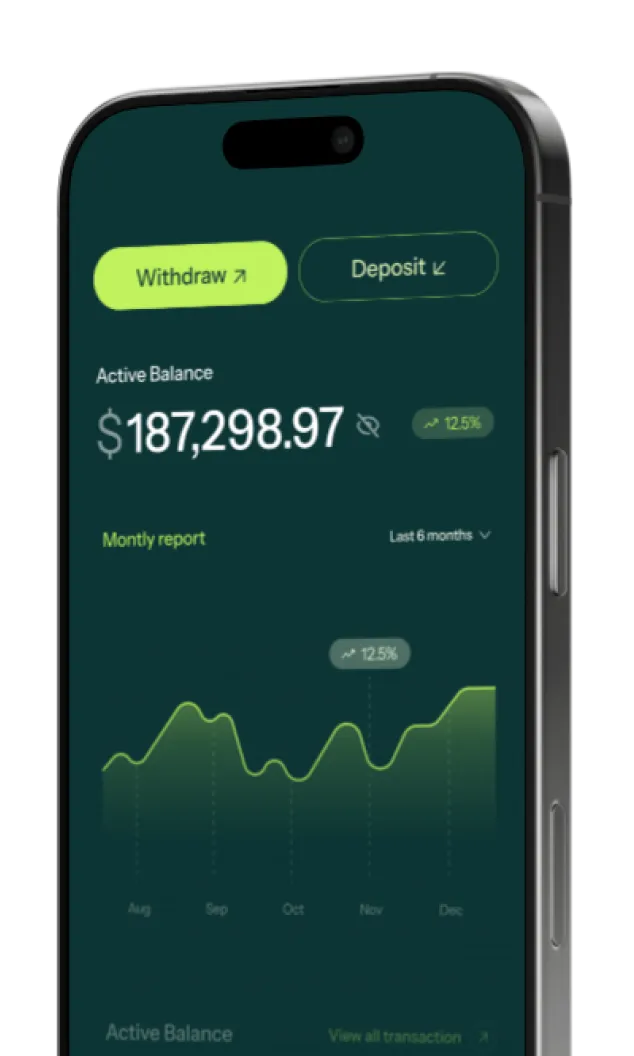
Modern finance platforms are increasingly designed with teams in mind. Shared dashboards, role-based access, and clear visualizations make financial information easier to understand and discuss. This accessibility encourages collaboration between departments and improves alignment across the organization.
Ultimately, designing finance systems with a focus on people and collaboration can lead to more effective and efficient operations.
By prioritizing user experience and accessibility, organizations can unlock the full potential of their financial data, driving growth and success in an increasingly data-driven world.
This shift towards a more inclusive and collaborative finance culture is essential for thriving in today's dynamic business landscape.

Finance is often viewed as a numbers-driven discipline, but behind every figure is a team working to interpret and act on the data. When financial systems are difficult to use or inaccessible, collaboration suffers and insights remain siloed.
Modern finance platforms are increasingly designed with teams in mind. Shared dashboards, role-based access, and clear visualizations make financial information easier to understand and discuss. This accessibility encourages collaboration between departments and improves alignment across the organization.
Ultimately, designing finance systems with a focus on people and collaboration can lead to more effective and efficient operations.
By prioritizing user experience and accessibility, organizations can unlock the full potential of their financial data, driving growth and success in an increasingly data-driven world.
This shift towards a more inclusive and collaborative finance culture is essential for thriving in today's dynamic business landscape.