
Operational friction often hides in routine financial tasks. Manually categorizing expenses, reconciling accounts, and preparing reports may seem manageable at first, but over time they consume valuable hours and introduce errors.
As teams expand and transaction volume increases, these inefficiencies multiply. What was once a minor inconvenience can quickly become a barrier to productivity.
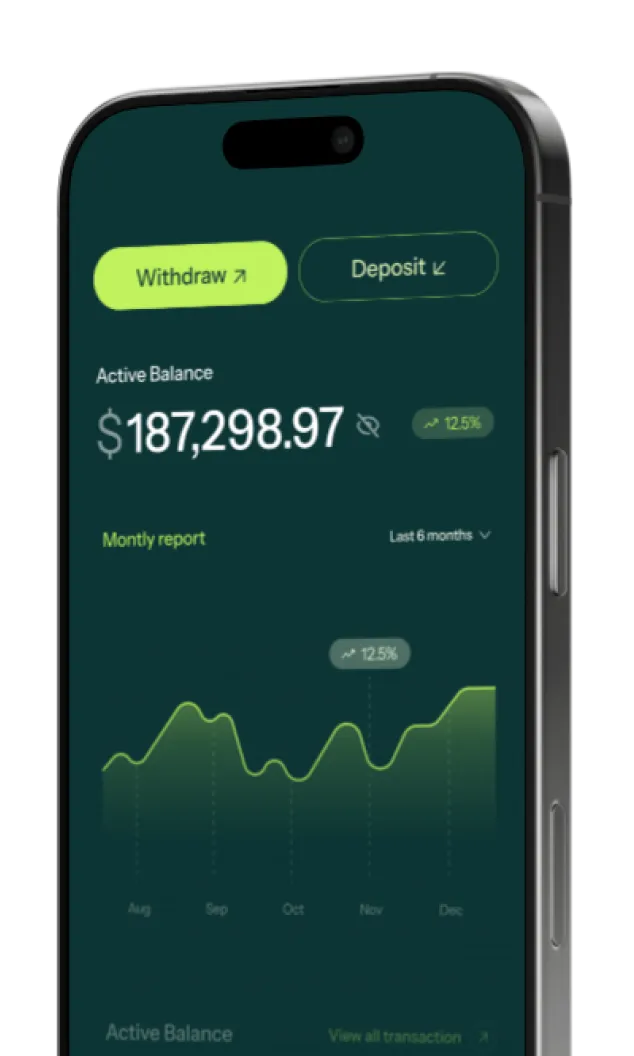
Smart financial platforms address this challenge by automating repetitive processes and centralizing information. Transactions are categorized automatically, reports are generated instantly, and financial data is accessible across teams without constant back-and-forth. This reduces dependency on manual workflows and frees teams to focus on higher-value work.

Operational friction often hides in routine financial tasks. Manually categorizing expenses, reconciling accounts, and preparing reports may seem manageable at first, but over time they consume valuable hours and introduce errors.
As teams expand and transaction volume increases, these inefficiencies multiply. What was once a minor inconvenience can quickly become a barrier to productivity.
Smart financial platforms address this challenge by automating repetitive processes and centralizing information. Transactions are categorized automatically, reports are generated instantly, and financial data is accessible across teams without constant back-and-forth. This reduces dependency on manual workflows and frees teams to focus on higher-value work.
When operational friction is reduced, finance becomes less of a bottleneck and more of a support system. Teams collaborate more effectively, leadership gains faster insight, and the organization moves with greater agility.
Over time, small efficiency gains compound into meaningful improvements across the entire business.