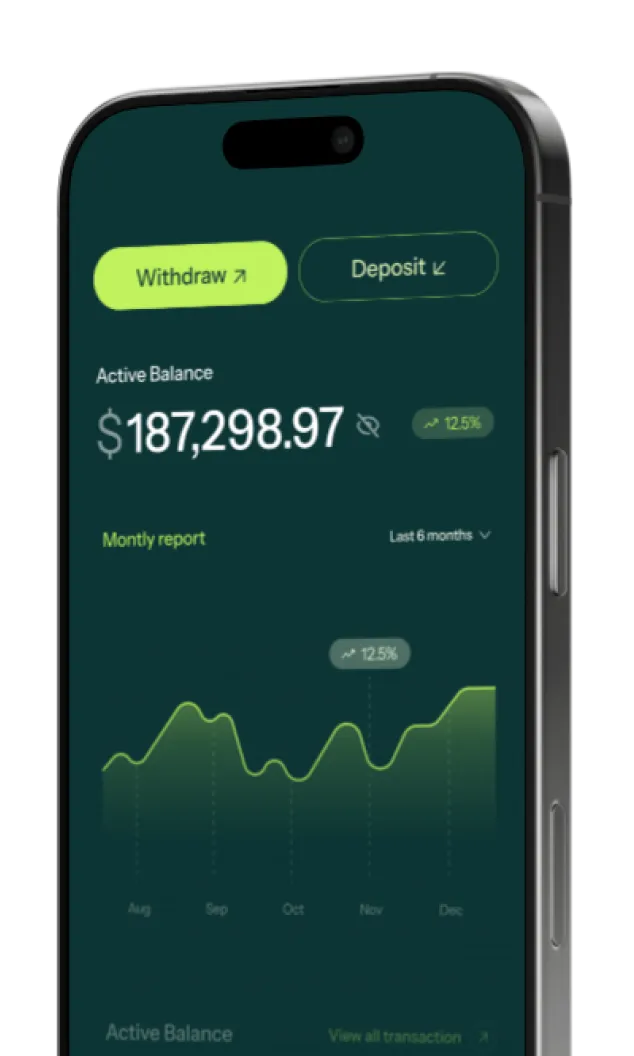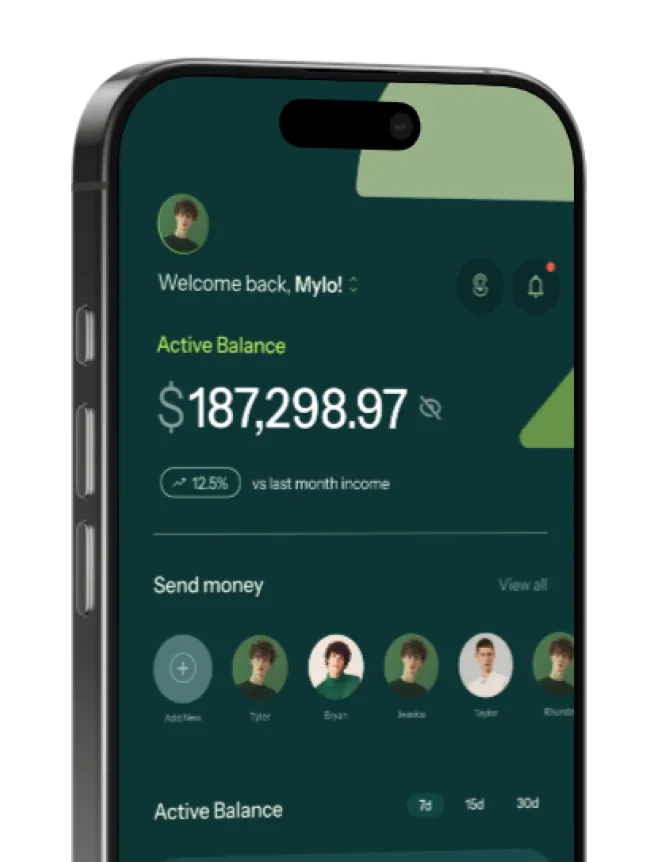

Many businesses rely on a patchwork of financial tools built up over time. Accounting software, expense trackers, banking apps, and spreadsheets often operate in isolation, creating gaps in visibility and duplicated effort.
As teams grow, these disconnected systems make collaboration more difficult and increase the risk of errors.
A unified financial system brings these elements together into a single source of truth.
Transactions flow automatically, reports stay consistent, and teams work from the same data. This alignment reduces friction and allows finance to support the business more strategically.

Transactions flow automatically, reports stay consistent, and teams work from the same data. This alignment reduces friction and allows finance to support the business more strategically.
When financial systems are unified, leaders gain a clearer understanding of performance and can act with confidence. The shift away from fragmented tools is less about replacing software and more about building a foundation that supports sustainable growth.
When financial systems are unified, leaders gain a clearer understanding of performance and can act with confidence. The shift away from fragmented tools is less about replacing software and more about building a foundation that supports sustainable growth.