
Traditional financial reports often arrive after decisions have already been made. By the time data is reviewed, opportunities may have passed and issues may have grown. This reactive approach limits the strategic value of finance and keeps teams focused on the past.
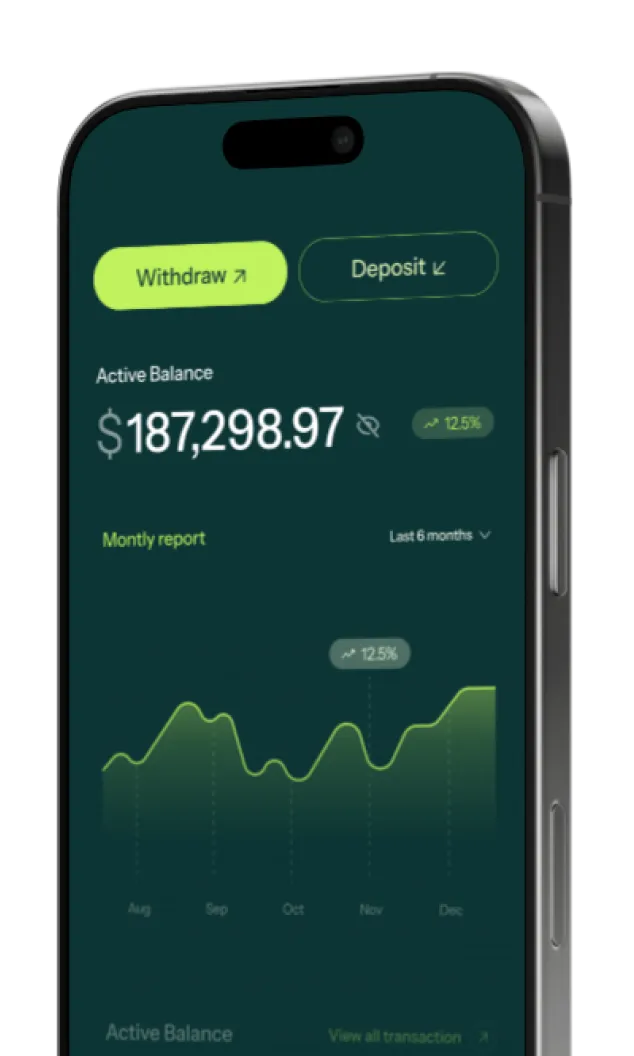
The advent of modern finance platforms has shifted reporting from a periodic task to a continuous process. By integrating live dashboards and dynamic reports, these platforms provide essential context alongside numerical data, helping teams to detect and interpret trends as they occur.
This real-time insight enables leaders to adapt strategies swiftly, ensuring that decisions are based on the most current data available, thus enhancing the strategic role of finance.

The advent of modern finance platforms has shifted reporting from a periodic task to a continuous process. By integrating live dashboards and dynamic reports, these platforms provide essential context alongside numerical data, helping teams to detect and interpret trends as they occur.
This real-time insight enables leaders to adapt strategies swiftly, ensuring that decisions are based on the most current data available, thus enhancing the strategic role of finance.
As reporting becomes more strategic, the role of finance transforms from a compliance-centric function to a catalyst for growth.
Businesses that adopt this strategic transformation can chart their future with improved accuracy, leveraging forward-looking insights and actionable intelligence instead of relying solely on historical data.
As reporting becomes more strategic, the role of finance transforms from a compliance-centric function to a catalyst for growth.
Businesses that adopt this strategic transformation can chart their future with improved accuracy, leveraging forward-looking insights and actionable intelligence instead of relying solely on historical data.